Gaming Industry Updates: Controversies, Bans, and Community Reactions in 2025
Hey everyone, I’ve been keeping a close eye on the gaming world, and let me tell you, it’s never a dull moment. Looking back at some pivotal moments from recent years and seeing how things have evolved, it’s clear that community actions, developer decisions, and corporate policies continue to shape our favorite pastime. From massive player bans to studio controversies, the landscape is as dynamic as ever. I want to share some of the most significant stories that have resonated with players like us, highlighting the ongoing dialogue between developers and their audiences.

One of the most impactful narratives in recent memory revolves around workplace conditions. I remember when Jessica Gonzalez, a senior tech analyst who was a cornerstone in the fight for better treatment at Activision Blizzard, announced her departure. She stated she was mentally wounded from the prolonged struggle. This wasn't just a resignation; it was a powerful statement about the personal cost of advocacy. It underscored the intense, often grueling battle for equitable treatment within major studios. While the specifics of that fight were rooted in the early 2020s, the conversation it sparked about developer welfare and corporate accountability has only grown louder. In 2025, we still see its ripple effects, with more studios publicly committing to transparent labor practices and employee support systems, though challenges undoubtedly remain.
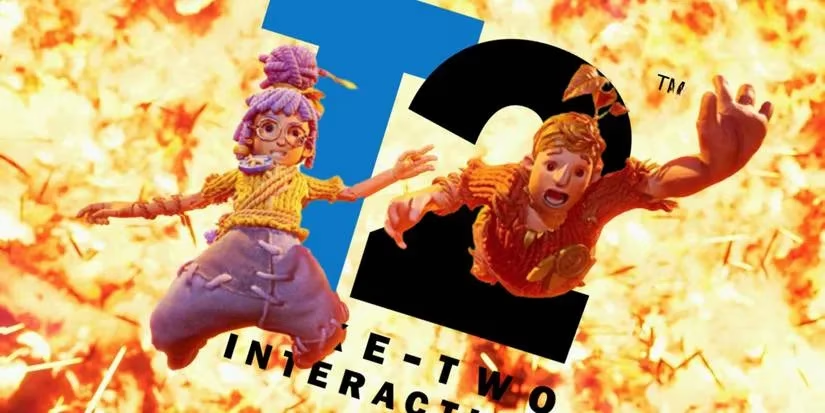
Then there are the legal skirmishes that leave us scratching our heads. Take-Two Interactive, the powerhouse behind Rockstar Games, once filed a wave of trademark disputes that seemed incredibly broad. They claimed ownership over terms like “Rockstar,” “Bully,” and even their own name, “Take-Two.” The most baffling part? They argued that the charming co-op adventure It Takes Two, made by Hazelight Studios and published by EA, was improperly using a name too similar to theirs. It felt like a classic case of corporate overreach, trying to claim common words. While that specific dispute may have settled, it highlighted the often-absurd nature of intellectual property battles in gaming. Even now, we occasionally see similar claims pop up, reminding us that creativity can sometimes collide with overly aggressive legal strategies.

Player creativity in games like Forza Horizon 5 is usually celebrated, but it definitely has its limits. I recall the story of a player who received a ban so long it might as well be eternal—nearly 8,000 years! Their crime? Creating a custom car livery that featured a controversial political figure’s face, aggressive slogans, and altered corporate logos. This wasn't just a slap on the wrist; it was a definitive statement from Playground Games about what crosses the line in their shared space. It sparked a huge community debate about creative freedom versus platform responsibility. Fast forward to today, most live-service games have much clearer, and often stricter, codes of conduct regarding user-generated content. This incident became a benchmark for discussing where the line is drawn in virtual expression.
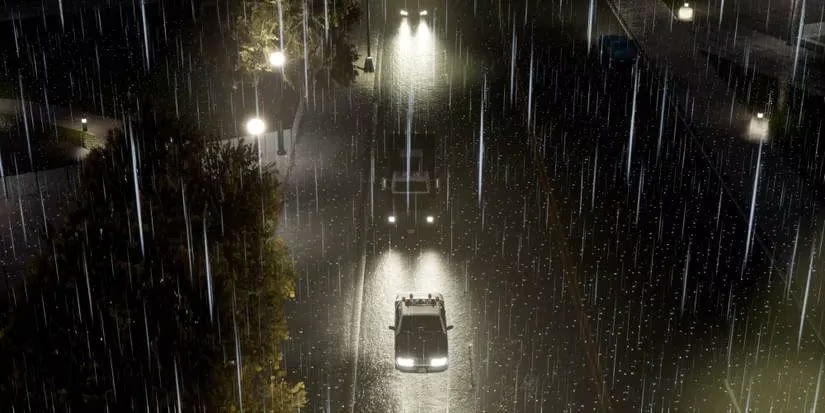
The launch of Grand Theft Auto: The Trilogy – Definitive Edition was… rocky, to say the least. One of the most memed issues was the intense rain effect that completely obscured the player's view, making driving nearly impossible. It was a perfect example of a well-intentioned graphical upgrade backfiring. The community feedback was swift and loud, and thankfully, Rockstar responded with a downpour of patches to address it. This saga taught us a lot about post-launch support and managing player expectations. While the physical releases for consoles faced delays (with the Switch version being particularly uncertain), the commitment to fixing the digital version showed a path forward for troubled launches. In 2025, we’ve seen other studios adopt a more transparent and rapid patching process, partly thanks to lessons learned from episodes like this.
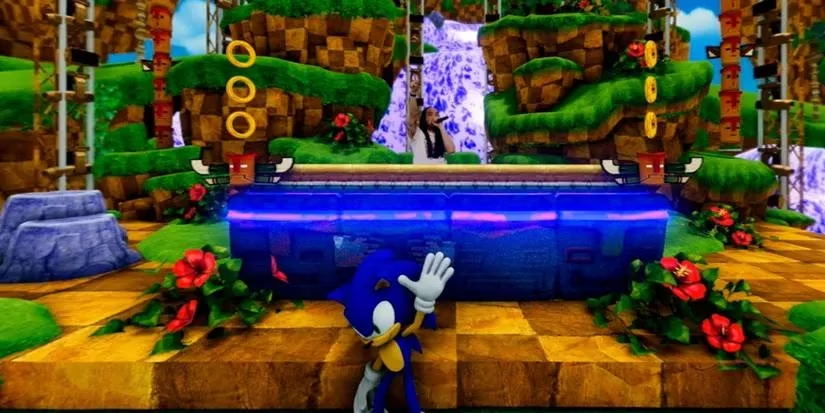
Celebrations don’t always go as planned. Imagine a concert to honor Sonic the Hedgehog's anniversary, featuring a famous DJ like Steve Aoki, and then realizing… there’s no Sonic music? That’s exactly what happened. Fans were rightfully confused and disappointed. This misstep highlighted a crucial point: understanding your core audience and what they value. Sonic’s music is iconic—from Green Hill Zone to City Escape—and its absence felt like missing the point entirely. The fan backlash was a clear message about authentic celebration. In the years since, we’ve seen game anniversaries handled with much more care, often involving deep community engagement and a focus on the series' legacy, not just branded events.
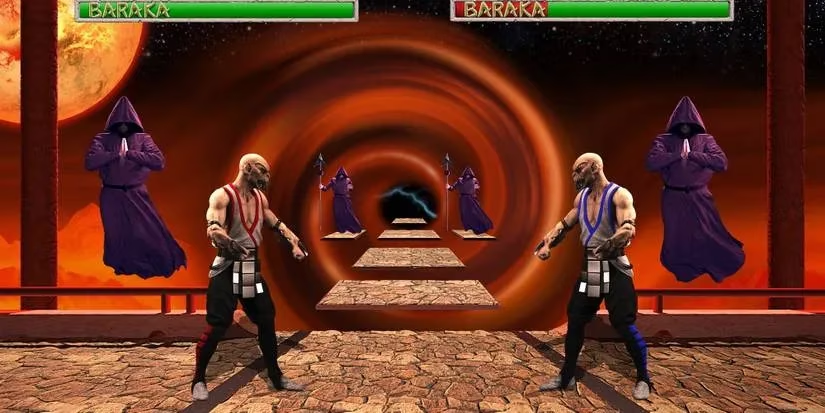
Sometimes, the community knows exactly what it wants and isn’t afraid to ask for it. A petition for a remastered 4K edition of Mortal Kombat Trilogy gathered thousands of signatures, with the added claim that the franchise's co-creator, Ed Boon, supported the idea. This is a great example of player-driven advocacy. It shows how passionate fans can directly campaign for the preservation and enhancement of classic titles they love. While not every petition leads to a game announcement, they undeniably signal demand to developers and publishers. In the current climate, with remasters and retro collections being popular, such organized fan movements continue to play a role in shaping what gets the spotlight.
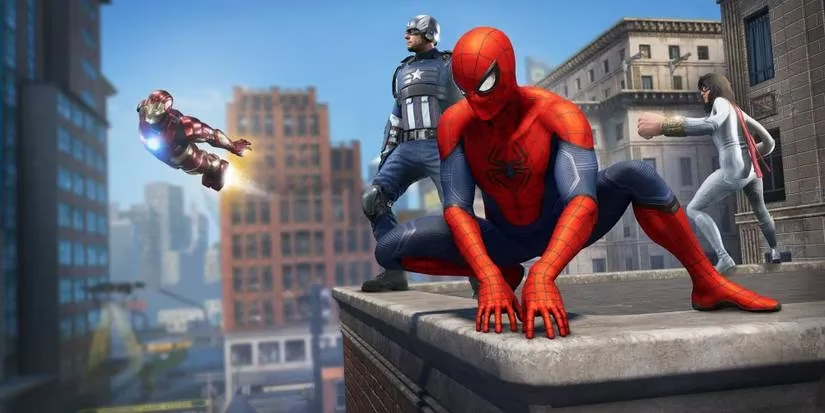
On a more positive note, the long-awaited addition of Spider-Man to Marvel’s Avengers (initially a PlayStation exclusive) was met with widespread praise. After a period of anticipation, the web-slinger’s implementation proved to be worth the wait for fans, injecting new energy into the game. This success story underscores the impact of well-executed, fan-requested content. It’s a reminder that when developers listen and deliver quality additions, the community responds with enthusiasm. This philosophy of meaningful post-launch content remains a cornerstone for live-service games aiming to maintain and grow their player base.

Valve made a very player-friendly promise regarding the Steam Deck: no exclusives. Their stance was simple and powerful: “It’s a PC and it should just play games like a PC.” This commitment to an open ecosystem was a breath of fresh air, contrasting with the walled-garden approaches of some other platforms. It empowered players with choice and reinforced the Steam Deck’s identity as a flexible, portable PC. As the handheld PC market has expanded in 2025, this principle of open access and platform agnosticism has become a key differentiator that many players, including myself, deeply appreciate.
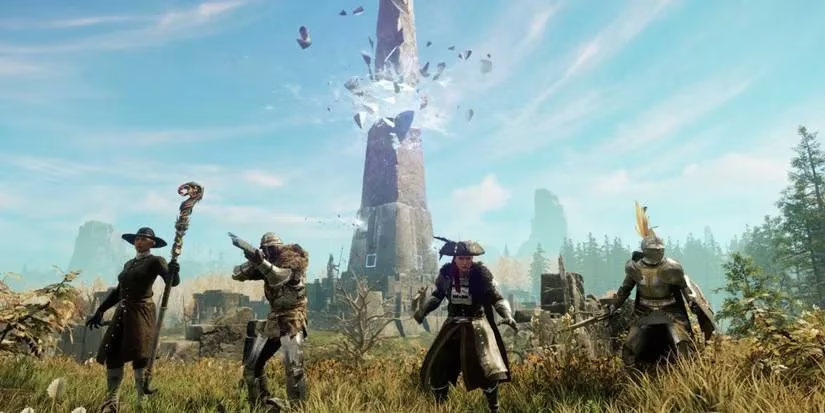
Of course, not all updates are met with cheers. When New World released a patch full of nerfs—reductions in power for weapons, abilities, or strategies—a significant portion of the playerbase expressed its discontent. Balancing a massive multiplayer game is a monumental task, and changes that seem logical to developers can feel punishing to players who have invested time in specific builds. This scenario is a constant in online gaming: the tightrope walk of game balance. It sparks essential discussions about communication, patch notes transparency, and how to evolve a game without alienating its community. These lessons are continually being learned and reapplied across the industry.
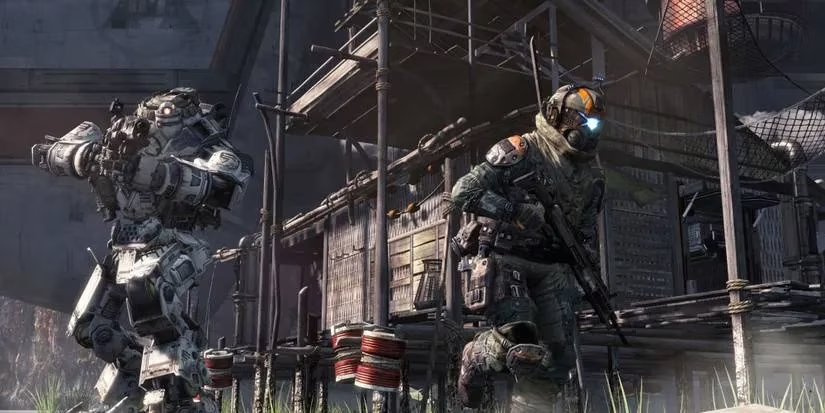
Finally, there’s the bittersweet reality of games reaching the end of their commercial life. Respawn Entertainment announced the delisting of the original Titanfall from digital storefronts, a move that felt like the closing of a chapter for a beloved franchise. However, the crucial detail was that the servers would remain online for existing owners. This approach to game preservation—making it unavailable for new purchase but keeping it alive for those who own it—has become a more common and thoughtful practice. It acknowledges the game’s legacy and the community’s ongoing attachment, even as development focus shifts elsewhere.
Reflecting on all this, it’s clear to me that the gaming industry is a living, breathing ecosystem driven by its community. Our voices, through advocacy, feedback, celebration, and criticism, genuinely shape the games we play. The stories from a few years ago aren't just news; they're milestones in an ongoing conversation about what we value in our digital worlds. Here’s to more great games, fewer 8,000-year bans, and a future where everyone gets to enjoy the ride. 🎮✨
Discussion