Forza Horizon 5's PlayStation Launch Sparks Concern Over Mandatory Microsoft Login & Game Preservation
As I write this in 2026, looking back, the launch of Forza Horizon 5 on PlayStation was a landmark moment, but boy, did it come with a hefty dose of drama. The game itself, a masterpiece of open-world racing set against the stunning backdrop of a fictionalized Mexico, was finally bridging the console divide. Yet, the excitement for PlayStation players was immediately tempered by a significant catch. Microsoft revealed that to play the game on a PS5, you'd need more than just your PSN credentials—you'd need a Microsoft account too. Talk about a buzzkill, right?
For those who splurged on the Premium edition, the gates opened on April 25, with Standard edition players following a few days later on April 29. But before you could even hear that first engine roar, a mandatory login screen stood in your way. The official FAQ was crystal clear: "Yes, in addition to a PSN account you'll need to link to a Microsoft account in order to play Forza Horizon 5 on PS5." This process kicked in the very first time you booted up the game. With the title being a digital-only release on PlayStation, there was simply no way around it. No disc to pop in and own. This single requirement ignited a firestorm across social media and gaming forums.
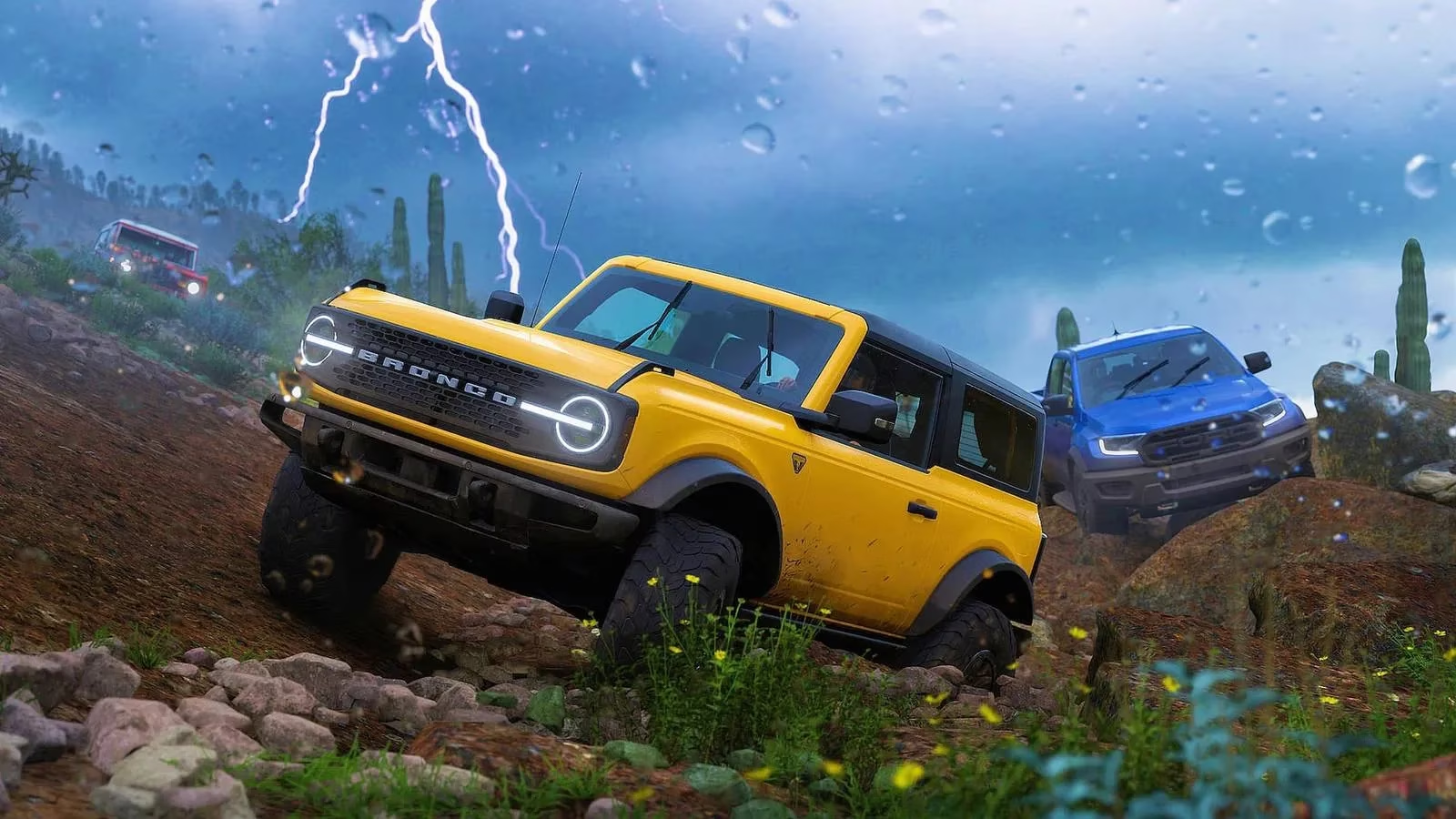
The core of the uproar wasn't just about convenience; it struck at the heart of game preservation. A prominent voice in the preservation community, Does It Play, took to social media to sound the alarm, stating that this mandatory sign-in "basically kills preservation" for the PS5 version. The fear was logical: if the game's functionality is tethered to an online account from a separate corporate entity, what happens if those servers are shut down, or the licensing agreement changes? Could the game just... vanish from your library? One vocal fan put it bluntly, worrying titles could be taken away "with the snap of Microsoft's fingers." It felt like you were renting a premium experience rather than truly owning a piece of gaming history.
The community reaction was a mixed bag, but the dominant sentiment was one of profound disappointment.
-
The Preservationists: This group was deeply concerned. They saw it as a dangerous precedent, moving further away from player ownership. Comments on the issue heavily leaned towards agreeing that this was a step in the wrong direction for keeping games playable for decades to come.
-
The Frustrated Players: Many found the requirement simply absurd. As user Cosmic Love quipped, "It's pretty silly that you are to log into a Microsoft account to play the game on PlayStation." It broke the perceived sanctity of the console ecosystem. Why should a Sony machine demand Microsoft's keys?
-
The Pragmatists: A smaller segment shrugged it off. For them, a one-time login was a minor hassle, a small price to pay for accessing one of the generation's best racing games. They just wanted to hit the road.
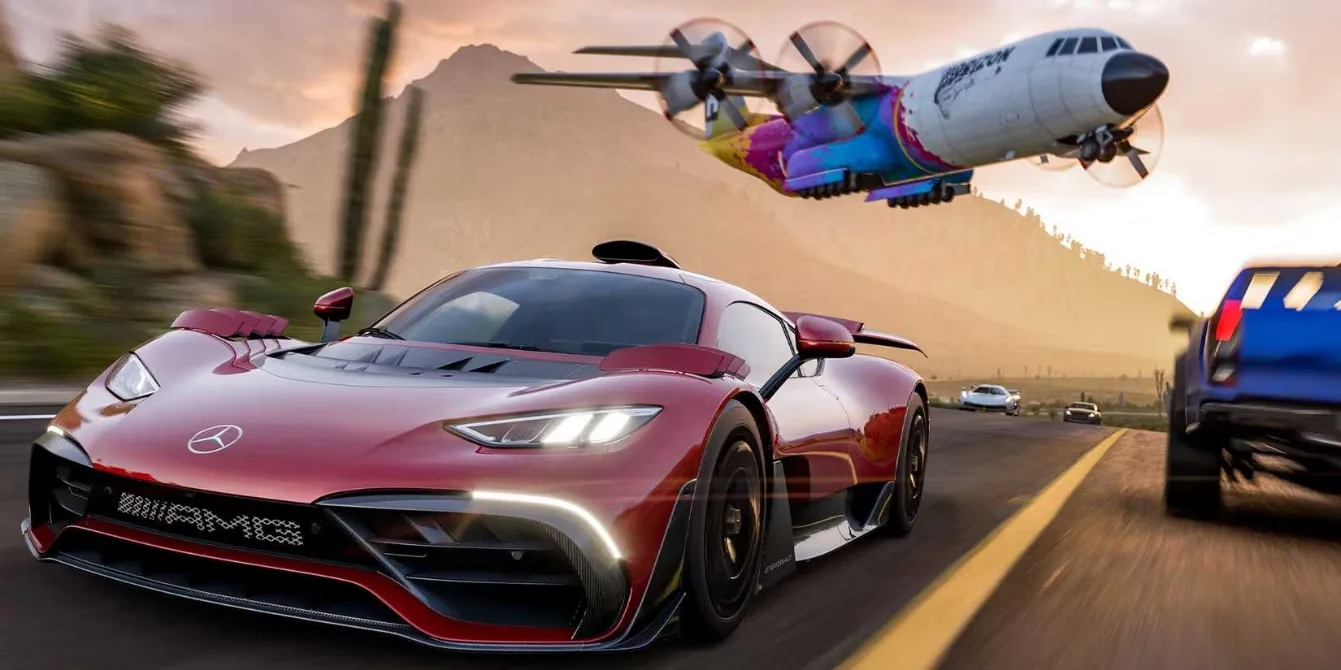
Looking back from 2026, the parallels to the Helldivers 2 PSN account controversy were immediate. That situation saw such a massive player backlash that the policy was reversed. Many Forza fans held out hope for a similar U-turn from Microsoft. Would they relent? The future was unknown, and that uncertainty is what fueled the anxiety. We were all left wondering if this corporate login gate would cast a shadow over the game's success on Sony's platform.
Ultimately, the saga of Forza Horizon 5 on PlayStation became a case study in modern gaming's tensions. It presented a clash between:
| The Allure | The Anxiety |
|---|---|
| 🌵 Unprecedented cross-platform access to a stellar game. | 🔒 Mandatory external account linking. |
| 🏎️ The sheer joy of its expansive, beautiful world. | ⏳ Serious questions about long-term preservation. |
| 🤝 Potential for unified social features (like cross-play/save). | 🏛️ Erosion of traditional software ownership models. |
The game itself was, and still is, a triumph. But its PlayStation debut will always be remembered for the conversation it sparked—a conversation about who really controls our games when the digital dust settles. It made us all stop and think, you know? In the rush to connect everything, are we accidentally building traps that could one day lock our favorite worlds away forever? That's a question that, even now, doesn't have an easy answer.
Discussion